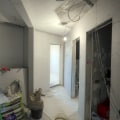
After HVAC, plumbing, and electrical work is completed, many homeowners focus on enjoying the upgraded systems and improved functionality. However, one critical step that should never be overlooked is detailed cleaning. Construction and repair work often leave behind dust, debris, and residue that can affect both the appearance and performance of a home. Fine particles from drilling, cutting, or installation can settle into vents, surfaces, and hard-to-reach areas, potentially impacting indoor air quality and system efficiency. Thorough cleaning ensures that the home is not only visually restored but also safe and comfortable for everyday living.
Removing Dust and Debris from HVAC Systems
HVAC work, in particular, can generate significant amounts of dust that easily spread through ductwork and air vents. If left unaddressed, this dust can circulate throughout the home, reducing air quality and placing additional strain on the system. Cleaning vents, replacing filters, and wiping down surrounding surfaces are essential steps in maintaining optimal HVAC performance. By removing debris promptly, homeowners can prevent buildup that might otherwise lead to inefficiencies or increased energy consumption. A clean system operates more effectively and contributes to a healthier indoor environment.
Addressing Residue from Plumbing and Electrical Work
Plumbing and electrical projects can also leave behind various forms of residue, including sealants, metal shavings, and packaging materials. Areas around sinks, pipes, and fixtures may require extra attention to remove any leftover materials that could affect functionality or appearance. Similarly, electrical work can produce dust and debris that settle around outlets, wiring areas, and fixtures. In projects involving upgrades like home rewiring in Sugar Land, detailed cleaning becomes even more important to ensure that all surfaces are free from contaminants and that the newly installed systems are not compromised by leftover debris. Proper cleanup helps maintain both safety and efficiency.
Improving Safety and Preventing Hazards
Detailed cleaning after utility work is not just about aesthetics—it’s also a matter of safety. Loose debris, sharp materials, and leftover construction waste can pose hazards if not properly removed. Dust accumulation near electrical components can increase the risk of overheating, while moisture left behind after plumbing work can lead to mold growth. By thoroughly cleaning the affected areas, homeowners can eliminate these risks and create a safer environment for everyone in the household. This proactive approach ensures that the benefits of the upgrades are not overshadowed by preventable issues.
Enhancing the Longevity of Home Systems
Cleanliness plays a key role in extending the lifespan of HVAC, plumbing, and electrical systems. When debris and residue are removed promptly, systems can operate without unnecessary strain or interference. For example, clean air ducts allow HVAC systems to function efficiently, while debris-free plumbing fixtures reduce the likelihood of clogs or damage. Electrical systems also benefit from a clean environment, as dust-free components are less prone to overheating or malfunction. Investing time in post-work cleaning helps protect these systems and ensures that they continue to perform reliably over time.
Creating a Comfortable and Functional Living Space
Ultimately, detailed cleaning after HVAC, plumbing, and electrical work is essential for restoring comfort and functionality within the home. A clean environment not only looks better but also supports the efficient operation of newly installed or repaired systems. By addressing dust, debris, and potential hazards, homeowners can fully enjoy the benefits of their upgrades without lingering concerns. This final step transforms a completed project into a truly finished space, providing peace of mind and a healthier, more enjoyable living environment.