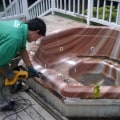
Construction projects naturally create dust, debris, and residue long before the final walkthrough ever happens. Drywall sanding, cutting materials, painting, and flooring installation all release fine particles that settle into every surface, including places that may soon be sealed or covered. Waiting until the project officially ends to begin cleaning allows this debris to accumulate and spread, making final cleanup harder and less effective. Starting construction cleaning early helps control the mess as it forms, rather than battling layers of buildup all at once at the end.
Dust Control Protects Finished Work
One of the biggest reasons construction cleaning should begin before completion is to protect finished areas. As sections of a project are completed, they remain vulnerable to dust and damage from ongoing work nearby. Fine construction dust can scratch new flooring, dull fresh paint, and settle into HVAC systems before they are fully operational. Early and ongoing cleaning removes debris before it becomes embedded, preserving the quality of completed work and reducing the need for costly touch-ups or repairs once the project wraps up.
Safety Improves When Cleanup Starts Early
Active construction sites are full of hazards, many of which are made worse by clutter and debris. Loose materials, sawdust, and discarded packaging increase the risk of slips, trips, and falls. Beginning cleaning before the project ends helps keep walkways clear and work areas more organized. This not only protects workers but also allows trades to move more efficiently without navigating unnecessary obstacles. A cleaner site supports better workflow and fewer accidents, which benefits both contractors and property owners.
Time and Cost Savings Add Up
Leaving all cleaning until the very end often leads to rushed work, higher labor costs, and missed details. When debris has had weeks or months to accumulate, removing it becomes more time-consuming and expensive. Early-stage construction cleaning spreads the workload across the project timeline, making final cleanup faster and more precise. This approach also reduces delays at the end of the project, helping ensure schedules stay on track and spaces are ready for use sooner. Professional services like Impact Cleaning often recommend phased cleaning because it improves efficiency without sacrificing quality.
Indoor Air Quality Matters Before Move-In
Construction dust does not just affect surfaces; it impacts air quality as well. Fine particles can linger in the air, settle inside ductwork, and remain trapped behind walls or under flooring if not addressed early. Starting cleaning before the project ends helps remove dust before systems are fully enclosed or activated. This results in cleaner air when the space is finally occupied, reducing respiratory irritation and creating a healthier environment from day one. Addressing air quality early is especially important for commercial spaces, healthcare facilities, and homes with children or sensitive occupants.
Better Results Come From a Phased Approach
Construction cleaning is most effective when it follows the natural stages of the project. Rough cleaning during early phases removes heavy debris, while intermediate cleaning manages dust and protects finished surfaces. Final cleaning then focuses on fine detailing rather than damage control. This phased approach ensures nothing is overlooked and prevents the frustration of cleaning the same mess repeatedly. Instead of reacting to buildup, cleaning becomes a proactive part of the construction process.
A Cleaner Finish Starts Before the End
Waiting until a construction project ends to begin cleaning often creates unnecessary challenges. By starting construction cleaning early, teams protect completed work, improve safety, save time, and deliver better final results. Cleanliness is not just the last step of construction—it is a support system that helps every phase run more smoothly. When cleaning is integrated before the final day, the finished space reflects higher quality, greater care, and a smoother transition from construction to occupancy.